How to Integrate Crypto and Real Estate Investing Into Accredited Investor Portfolios (Without the Risk)
- Technical Support
.png/v1/fill/w_320,h_320/file.jpg)
- Jan 31
- 4 min read
Let's cut through the noise: crypto is volatile, real estate is stable, and most investors treat them like they're from different planets. But here's the thing: when you combine these two asset classes strategically, you can create a portfolio that captures growth potential while actually reducing overall risk.
If you're an accredited investor, you've probably noticed that traditional 60/40 stock-bond portfolios aren't cutting it anymore. Interest rates are unpredictable, inflation eats away at returns, and everyone's hunting for alternatives. That's where the crypto-real estate combo comes in.
Why These Two Assets Actually Work Together
Think of it like this: crypto moves fast, real estate moves slow. Crypto can double or halve in value over months, while real estate provides predictable cash flow and steady appreciation. When you pair them in a portfolio, you're essentially creating your own shock absorber.
Real estate brings consistent rental income and tangible value: you can literally walk inside your investment. Crypto offers liquidity, 24/7 trading, and exposure to emerging digital infrastructure. Together, they complement each other's weaknesses.
The math backs this up. While crypto might experience 40-50% drawdowns, real estate typically maintains value during market turbulence. By holding both, your portfolio volatility decreases while maintaining upside potential from the crypto allocation.

Four Practical Ways to Integrate Both Assets
1. Private Credit Leverage Strategy
Here's a smart move: instead of selling your Bitcoin or Ethereum (and triggering capital gains taxes), use private credit to borrow against your crypto holdings and invest in real estate.
According to Dan Kodsi, CEO of Participant Capital, "Private credit allows cryptocurrency holders to leverage their assets and diversify into commercial real estate without selling or creating a taxable event. This approach not only mitigates the volatility associated with crypto but also provides an avenue for stable, long-term returns."
You maintain your crypto exposure for potential appreciation while generating stable returns from commercial real estate. No forced selling, no tax hit, and you're diversified across both asset classes. It's like having your cake and eating it too.
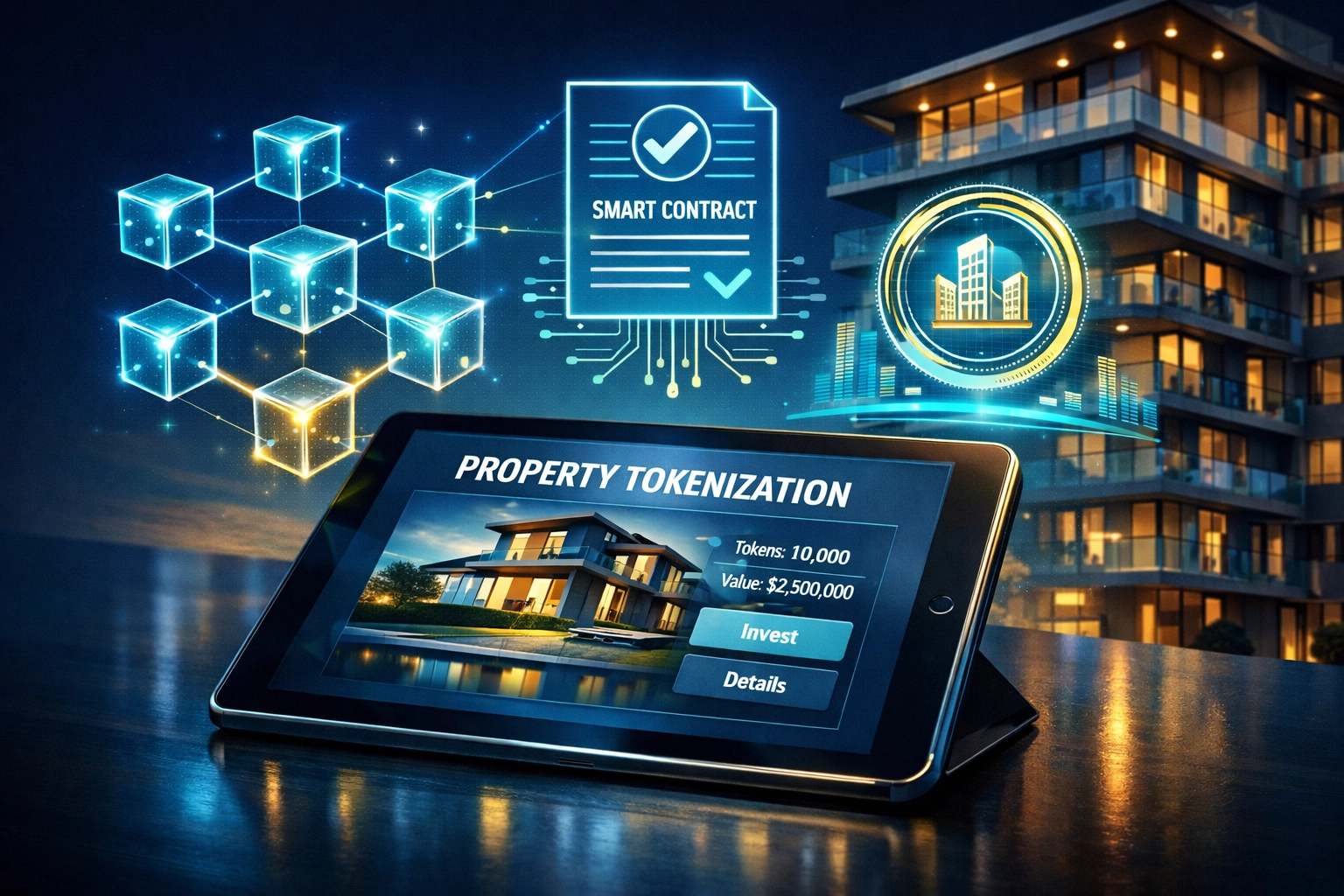
2. Tokenized Real Estate Investment
This is where blockchain technology actually serves a practical purpose beyond speculation. Tokenized real estate allows you to purchase blockchain-based tokens that represent direct ownership in specific properties.
Instead of buying an entire $5 million commercial building, you can own tokenized shares representing your proportional ownership. These tokens trade on specialized platforms, combining the transparency and efficiency of blockchain with the stability of tangible real estate assets.
The benefits are real:
Lower entry points without sacrificing property quality
Portfolio customization: pick specific properties that match your investment thesis
Smart contracts handle transactions automatically, reducing intermediaries and costs
Increased liquidity compared to traditional real estate ownership
3. Real Estate Syndication with Crypto Capital
Syndication has been around forever, but now you can fund your participation using crypto profits. Here's how it works:
A syndicator (General Partner) identifies a multifamily or commercial property, structures the deal, and manages operations. You invest as a Limited Partner alongside other accredited investors. The beauty? You pool resources to access institutional-grade properties that would be impossible to acquire individually.
The typical structure might be:
General Partner contributes 5-10% equity and handles all operations
Limited Partners contribute 90-95% equity for passive ownership
Cash flow distributions quarterly or monthly
Profit splits upon sale (often 70/30 or 80/20 in favor of LPs)
If you've made significant gains in crypto, syndication offers a structured way to rotate some of that capital into cash-flowing assets with professional management.
4. Crypto-Collateralized Real Estate Financing
Some platforms now let you borrow against crypto holdings specifically to fund real estate purchases. You have two main options:
Centralized platforms use third-party custodians to hold your crypto while extending loans. They offer higher loan-to-value ratios and traditional customer service.
Decentralized platforms use smart contracts to automate everything. Your crypto never leaves blockchain custody, and there's no credit check required.
Both approaches let you maintain crypto exposure while deploying capital into real estate. The interest costs are typically lower than selling and paying capital gains taxes.

Risk Mitigation: What You Actually Need to Know
Let's talk about the elephant in the room: both crypto and real estate carry risks. Here's how to address them properly.
Tax Planning Matters More Than You Think
If you directly purchase real estate using cryptocurrency, the IRS treats it as selling the crypto first. That means you're triggering capital gains taxes on the entire transaction.
Work with a tax advisor who understands both crypto and real estate to structure deals intelligently. Sometimes taking a loan against crypto is more tax-efficient than selling. Other times, strategic timing of sales against losses can minimize your tax burden.
Verify Your Accredited Status
Most tokenized real estate platforms and quality syndication deals are exclusively available to accredited investors. That means:
$200,000+ annual income ($300,000 joint) for the past two years, OR
$1 million+ net worth excluding primary residence
Keep documentation current. Some platforms require annual reverification.
Partnership and Custody Requirements
Successful tokenized real estate platforms combine three critical elements:
Real estate expertise for property sourcing, underwriting, and management
Blockchain/fintech capabilities for tokenization technology
Legal and accounting support for regulatory compliance
Before investing, verify that platforms have:
Smart contract audits from reputable firms
Secure custody solutions for private keys
Clear legal structures for token ownership
Track records in both real estate and blockchain technology

Traditional Due Diligence Still Applies
Just because something involves blockchain doesn't mean you skip fundamentals. Evaluate:
Property quality: Location, condition, tenant profiles
Market dynamics: Supply and demand trends, employment growth, demographic shifts
Operator track record: Past deals, current portfolio performance, team experience
Capital structure: Debt terms, investor protections, waterfall structures
Technology might change how you access deals, but it doesn't change what makes a good investment.
The Bottom Line
Integrating crypto and real estate isn't about going all-in on either asset class. It's about recognizing that they serve different purposes in a sophisticated portfolio.
Use real estate's stability and cash flow to offset crypto's volatility. Maintain crypto exposure for appreciation potential and diversification beyond traditional markets. Structure everything with tax efficiency and proper risk management.
The investors who thrive over the next decade won't be the ones who pick crypto OR real estate: they'll be the ones who strategically combine both.
At Mogul Strategies, we help accredited investors navigate exactly these types of alternative asset integrations. Because your portfolio deserves more than just stocks and bonds.
Comments