Private Equity Meets Crypto: The Proven Framework for Accredited Investor Diversification
- Technical Support
.png/v1/fill/w_320,h_320/file.jpg)
- Jan 31
- 5 min read
Let's cut through the noise. If you're an accredited investor looking at your portfolio right now, chances are you're sitting on the same question everyone else is asking: how do I actually combine traditional alternative investments with digital assets without creating a mess?
The good news? There's finally a practical way to do this. The landscape changed significantly in 2025, and we're now in a position where private equity and crypto aren't just coexisting: they're actually complementing each other in ways that make sense for serious portfolios.
Why This Conversation Matters Right Now
The timing here isn't random. In August 2025, new regulatory guidance started opening doors that were previously locked for most investors. Federal agencies received direction to review rules around alternative assets in retirement accounts, including both private equity and cryptocurrency. We're talking about the SEC and DOL working on frameworks that expand access while maintaining appropriate investor protections.
But here's what really matters: this isn't about jumping on trends. It's about recognizing that the infrastructure connecting these asset classes has matured enough to warrant serious consideration.

The Bridge: Tokenized Private Equity
The real innovation happening right now is tokenization. Think of it as taking traditional private equity: the stuff that used to require $1 million minimums and decade-long lockups: and putting it on blockchain infrastructure.
What does this actually mean? A private equity fund can now convert ownership stakes into digital tokens. That $1 million minimum? It could theoretically become accessible through $10,000 tokens, though issuers still set their own thresholds based on their strategy.
The bigger shift isn't just about lower minimums. It's about liquidity. Traditional PE investments are notoriously illiquid: you're locked in until an exit event. Tokenized positions create the possibility of secondary markets, where you might be able to sell your position before the fund completes its lifecycle. You could even potentially use these tokens as collateral for other investments.
Building the Diversification Framework
Here's a practical approach that actually works for accredited investors looking to blend these asset classes:
Start with your core allocation. Your traditional equity and fixed income holdings should still form the foundation. We're not talking about replacing your entire portfolio: we're talking about strategic enhancement.
Layer in private equity strategically. Depending on your risk tolerance and liquidity needs, allocate 15-30% to private equity opportunities. This might include direct investments in growth companies, PE fund commitments, or tokenized PE positions that offer more flexibility.
Add crypto exposure thoughtfully. This isn't about going all-in on the latest memecoin. A 5-15% allocation to institutional-grade digital assets: primarily Bitcoin and Ethereum: provides exposure to this emerging asset class without creating undue concentration risk.

The key is understanding how these pieces interact. Private equity gives you exposure to private company growth and operational improvements. Crypto provides a completely different return driver: adoption of decentralized technology and digital value storage. Together, they're non-correlated diversifiers from your public market holdings.
The Practical Implementation
Let's get tactical. How do you actually put this into practice?
Due diligence becomes paramount. With tokenized PE, you're evaluating two things: the underlying private equity opportunity itself and the digital infrastructure facilitating the investment. Ask about custody arrangements, smart contract security audits, and the technical platform's track record.
Understand the liquidity spectrum. Not all tokenized investments are created equal. Some might offer quarterly redemption windows. Others might have active secondary markets. Some will still have traditional lockup periods. Match your liquidity expectations with reality.
Fee structures need scrutiny. Alternative investments typically come with higher fee structures than passive index funds: that's just the nature of active management in illiquid assets. Management fees of 1.5-2% plus performance fees of 20% are standard in PE. Tokenization might add additional platform fees. Calculate your all-in cost and make sure the expected returns justify the expense.
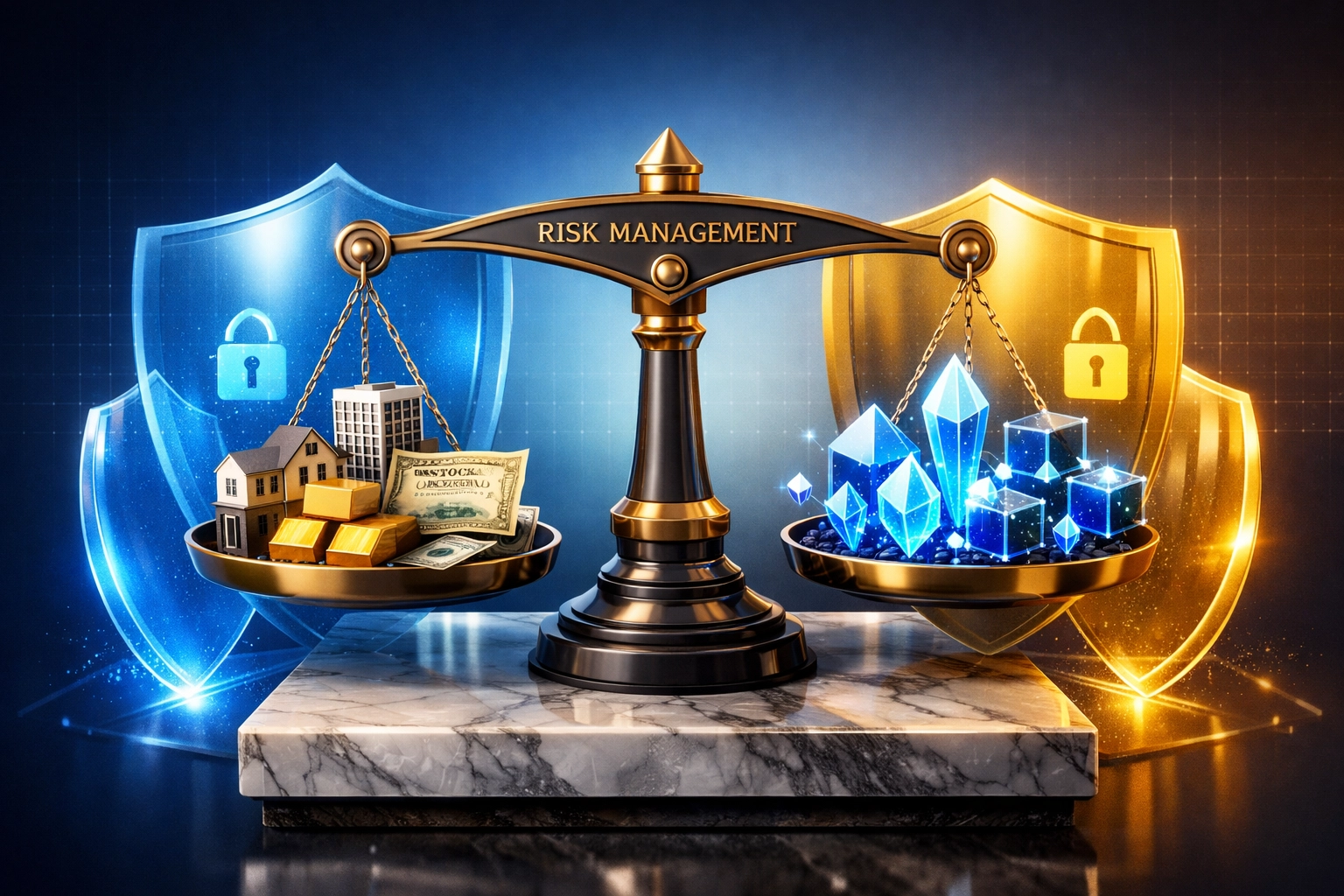
Risk Management That Actually Works
Here's where many investors get it wrong: they treat this as an all-or-nothing decision. Either they avoid alternatives entirely or they go too heavy too fast.
The smarter approach? Gradual implementation with clear risk parameters.
Position sizing matters more than picking. Even if you find the perfect tokenized PE opportunity, it shouldn't dominate your portfolio. Individual PE positions should typically represent 2-5% of your total investable assets. Crypto positions should be sized based on your volatility tolerance: even Bitcoin can move 30% in a month.
Diversify within your alternatives. Don't just buy one tokenized PE fund and call it diversification. Spread across multiple vintage years, investment strategies (buyout vs. growth vs. venture), and geographic exposures. Same with crypto: consider both established assets like Bitcoin and Ethereum alongside more strategic positions.
Maintain liquidity reserves. This is non-negotiable. Alternative investments, even tokenized ones, shouldn't comprise your entire liquid net worth. Keep sufficient reserves in traditional liquid assets to handle unexpected needs.
The Custody and Security Question
Let's address the elephant in the room: security. Digital assets introduce cybersecurity considerations that don't exist with traditional PE fund investments held by a GP.
For tokenized assets, custody becomes critical. You need to know: Who holds the private keys? What's the insurance coverage? What happens if the platform gets hacked or goes bankrupt? These aren't theoretical concerns: they're practical questions that should have clear answers before you invest a dollar.
Work with platforms that use institutional-grade custody solutions. Look for multi-signature wallets, cold storage for the majority of assets, and clear segregation of investor holdings from operational assets.

Making It Work for Your Situation
The framework outlined here isn't one-size-fits-all. Your personal situation matters enormously.
If you're younger with a longer time horizon and stable income, you can likely tolerate higher allocations to illiquid alternatives and volatile crypto assets. If you're closer to retirement or expecting significant capital needs in the next few years, dial back the alternative allocation and keep more in liquid traditional investments.
Your net worth composition matters too. If most of your wealth is tied up in illiquid assets like real estate or a business, adding more illiquidity through PE might not make sense. But if you're sitting on a large cash position or highly liquid public equity portfolio, alternatives can provide valuable diversification.
The Path Forward
The convergence of private equity and crypto through tokenization represents a genuine evolution in how accredited investors can build portfolios. This isn't speculation: it's structured diversification using tools that didn't exist five years ago.
The regulatory environment is becoming more supportive. The technology infrastructure has matured significantly. The investment opportunities are growing in both number and quality.
But: and this matters: it requires active management, ongoing diligence, and realistic expectations. This isn't set-it-and-forget-it investing. It's strategic allocation to asset classes that can enhance returns and reduce correlation, implemented thoughtfully within a comprehensive wealth management plan.
At Mogul Strategies, we work with accredited investors to navigate exactly these types of opportunities. The goal isn't to chase every new investment vehicle: it's to identify where innovation creates genuine value and implement those strategies in ways that fit your specific situation.
The question isn't whether to explore this convergence. It's how to do it intelligently. The framework exists. The infrastructure is ready. The opportunity is real. Now it's about execution that matches your goals, risk tolerance, and timeline.
Comments